100 g of taro stalk contains
- 95 g water
- 3.8 g carbohydrates
- 0.5 g fiber
- 0.25 g protein
- 300 mg potassium
- 48 mg calcium
- 25 mg phosphorous
- 16 mg magnesium
- 3 mg vitamin C
- 2 mg vitamin E
- 1.6 mg zinc
- 0.4 mg iron
- 0.03 mg copper
- 0.012 mg B1
- 0.013 mg B2
- 0.013 mg nicotinic acid
More Info
Like celery, taro stalks are mostly water and fibres. However, don’t let that mislead you as to the nutritional value of this little known vegetable!
The taro fibres help to regulate weight by making you feel full while doing what fibres do best: massage your intestines and give bulk to your poop.
Not only that but the nicotinic acid helps optimize your fat metabolism towards healthier parameters, like lower levels of LDL and higher levels of HDL cholesterol.
And don’t forget the other nutrients it has: vitamins B, C & E, calcium, magnesium, zinc, iron, copper, etc…all great for you!
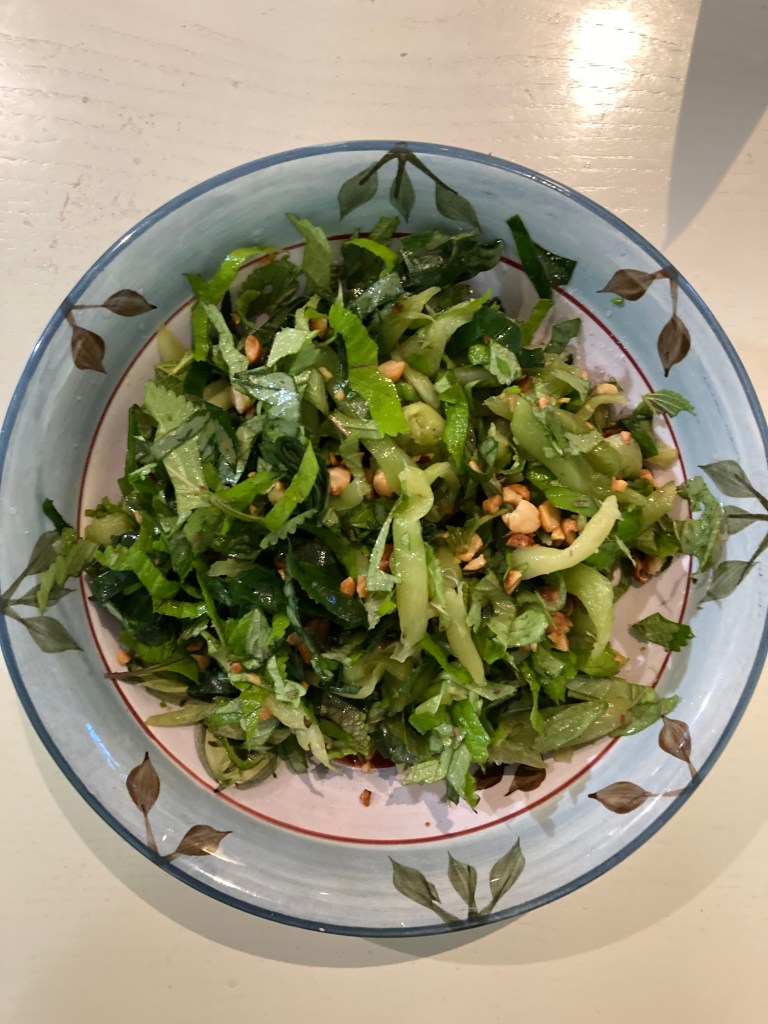
Caution: The taro plant contains high levels of oxalates, which can irritate your skin and throat. It is mostly in the root but is present in the stalks in enough quantity to potentially irritate sensitive people. Do not eat raw. The stalks must be peeled of its outer fibres, chopped to desired size, then kneaded in a little salt to extract the oxalates. Rinse the taro stalks well and drain/squeeze out excess water. Now you can cook it for eating. See our Vietnamese Taro Stalk Salad recipe for more detailed instructions.





 Fish Tree Farm